September Swim Reset for Adults in Toronto: 10 Confidence Skills That Make Indoor Swimming Feel Easy Again

September is when many adults in Toronto and across Ontario want to get back into a routine. The weather cools down, schedules get busy, and the pool becomes the most realistic place to rebuild fitness and confidence. For adult swimmers, September is also when confidence can drop. Lanes feel faster, pools feel crowded again, and it is easy to think, “I am behind.”
The good news is that adult swim confidence is not about being naturally “good at swimming.” It is about building repeatable skills that make the water feel predictable. When the session feels predictable, your breathing slows down, your technique settles, and you stop wasting energy on tension.
Below are 10 practical September swim confidence skills, each with a clear takeaway and an easy drill. These are designed for adult beginners and returning swimmers who want to feel calm, controlled, and consistent. You can use them in any Toronto indoor pool, community centre pool, or YMCA-style lane-swim setup.
1. Routine Confidence: Make Your First 6 Minutes the Same Every Time
If you start every swim differently, your body never gets the message that the pool is safe and manageable. Adults build confidence fastest when the first minutes are familiar. The goal is not to “warm up hard.” The goal is to settle your breathing and reduce the feeling of chaos.
Try this calm entry routine (6 minutes total):
1 minute: hands on wall, face in, slow bubbles for 3 to 5 seconds, inhale calmly
1 minute: gentle flutter kick holding the wall, long exhale
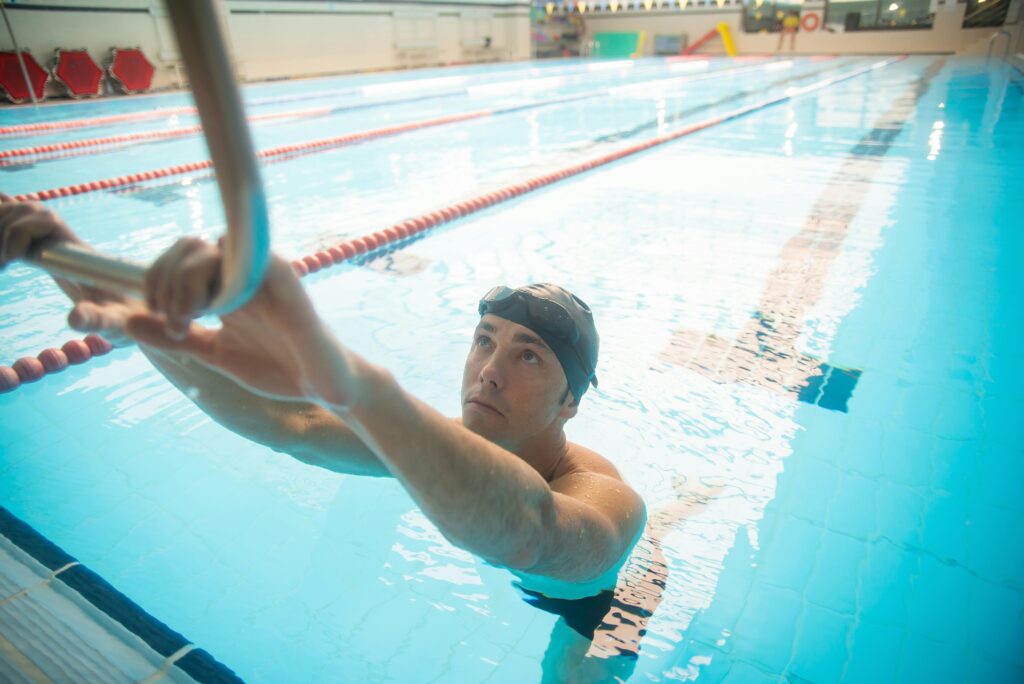
1 minute: back float practice holding the wall or gutter, small kicks, calm breathing
2 minutes: 4 x 25 easy swim, rest as needed at the wall
1 minute: 1 x 25 “quiet head” swim, eyes down, relaxed neck
Takeaway: confidence starts when your body expects the session to feel steady.
Source: https://www.toronto.ca/explore-enjoy/parks-recreation/program-activities/swim-water-activities/
2. Lane Confidence: Choose the Right Lane and Stop Comparing Yourself
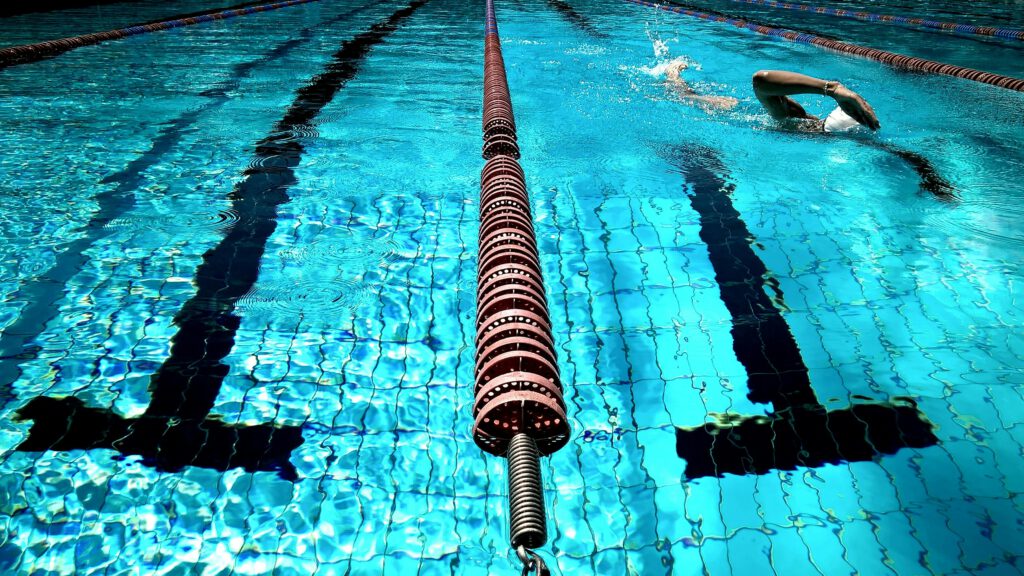
A huge confidence killer for adults is swimming in a lane that is too fast, then blaming yourself for being “bad.” In September, lanes fill up again. Your job is to choose the lane that lets you keep calm breathing and have predictable movement.
Lane confidence rules:
Pick the slower lane on purpose if you are rebuilding
Rest at the wall to the side so others can turn
If you need breaks often, that is fine, just be consistent and predictable
If you are unsure what is happening, ask if it is circle swimming and follow the flow
Mini drill (3 to 5 minutes):
Swim 25 easy
Rest 2 slow breaths
Repeat 4 times
Your only goal is to stay calm in a lane environment, not to impress anyone.
Takeaway: the right lane choice is a skill, not a weakness.
Source: https://www.toronto.ca/explore-enjoy/parks-recreation/program-activities/swim-water-activities/

3. Breathing Control: Exhale Earlier So Your Inhale Stays Calm
Many adults hold their breath underwater without realizing it. Then they turn to breathe and feel rushed. That rushed inhale is where panic starts. The fix is simple: start exhaling earlier. You do not need to blow out hard, you need a steady stream.
Try the “steady bubbles” drill (4 to 6 minutes):
Hold the wall, face in
Exhale bubbles for 4 seconds, inhale calmly, repeat 6 times
Then do 4 x 25 easy swim
Your cue: bubbles start as soon as your face is in
If you feel out of breath, slow down and lengthen your exhale. Adults often do the opposite, they speed up and get more breathless.
Takeaway: calm breathing is trained, not guessed.
Source: https://www.redcross.ca/training-and-certification/course-descriptions/swimming-and-water-safety
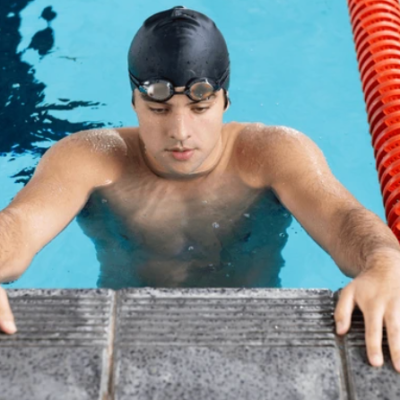
4. Head Position Skill: Keep Your Head Quiet and Your Body Gets Lighter
A lifting head makes hips drop. Dropped hips create drag. Drag makes you tired, and tiredness makes you panic. This one skill changes everything for adult freestyle confidence.
Quiet head cues:
Eyes down and slightly forward, not straight ahead
Neck relaxed, not stiff
When you breathe, rotate your body, do not lift your head
Mini drill (6 to 8 minutes):
4 x 25 easy freestyle with a “quiet head” focus
Rest 15 to 30 seconds
4 x 25 side kick with one arm extended, face in, then quick side breath, then face in again
Takeaway: when the head stays quiet, the whole swim feels smoother.
Source: https://www.swimming.ca/
5. Back Float Reseat: Your Emergency Calm Button in the Pool
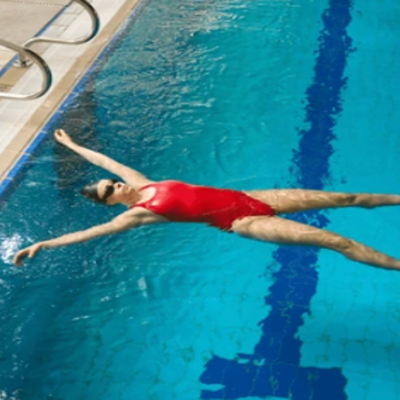
A big difference between confident and anxious adult swimmers is this: confident swimmers know exactly what to do when they feel spiked. The best reset skill is rolling to your back. It gives you air, slows your breathing, and reminds your brain you are safe.
Back reset routine (2 to 4 minutes):
Roll to your back
Exhale slowly
Inhale calmly
Gentle flutter kick to stay stable
When ready, roll back to your front and restart easy
Practise it in shallow water first. The goal is to make it automatic, not dramatic.
Takeaway: confidence improves fast when you trust your reset skill.
6. Endurance Without Panic: Use Time-Based Repeats Instead of “Proving Yourself.”
In September, many adults try to “get back in shape” by forcing long swims, then they finish exhausted and discouraged. The faster path is short repeats with real rest. That builds endurance and confidence at the same time.
Beginner endurance set (12 to 18 minutes):
6 x 1-minute easy swim
30 seconds rest at the wall between each
One focus cue per repeat: long exhale, quiet head, or soft hands
Progression for week 2 or 3:
6 x 90 seconds easy swim
30 seconds rest
Takeaway: endurance grows when the session stays manageable.
Source: https://csep.ca/
7. Technique Calm: Soft Hands and Relaxed Shoulders Make Swimming Feel Easier
Adults often swim “tight,” especially when they feel watched in a lane. Tight shoulders shorten the stroke and raise your heart rate. The goal is a relaxed catch and a smooth pull, not a forceful one.
Soft hands cues:
Fingers gently together, not clenched
Shoulder stays low and relaxed
Arm recovers loose, not stiff
Mini drill (6 to 10 minutes):
4 x 25 easy swim, focusing on soft hands
4 x 25 “touch and go” drill: touch your thumb lightly to your thigh each stroke to encourage a full, relaxed finish
2 x 25 easy swim to finish
Takeaway: relaxation is a technique skill, not just a mindset.
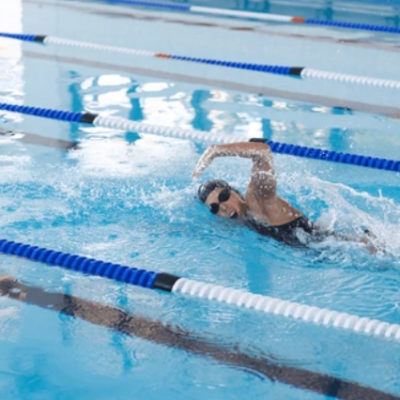
8. Confidence Kicking: Use a Small Kick That Supports Balance, Not a Big Kick That Burns You Out
A common adult mistake is kicking too hard to stay afloat. That burns energy and makes breathing harder. Most adult swimmers need a smaller, steadier kick that supports balance.
Kick confidence cues:
Small kick from the hips, not from bent knees only
Ankles loose, not stiff
Kick lightly and consistently
Simple drill (6 to 8 minutes):
4 x 25 kick holding a board, slow bubbles
4 x 25 easy freestyle with “small kick” focus
Rest as needed. Keep it calm.
Takeaway: a calmer kick makes everything else calmer.
Source: https://www.swimming.ca/masters/
9. Skill for Crowded Pools: Learn to Start, Stop, and Restart Without Stress
In Toronto, September pools can be busy. If you only feel confident when the lane is empty, your confidence will feel fragile. Train the ability to stop and restart calmly. This builds real lane confidence.
Stop and restart drill (8 to 12 minutes):
Swim 25 easy
Stop at the wall, 2 slow breaths
Push off and swim 12.5
Stop at the wall, 2 slow breaths
Repeat 6 times
If you feel rushed, slow down more. Your goal is control, not speed.
Takeaway: You do not need a perfect lane to practise; you need a calm restart skill.
Source: https://www.toronto.ca/explore-enjoy/parks-recreation/program-activities/swim-water-activities/
10. September Progress Plan: A 3-Day Weekly Structure You Can Repeat All Month
Consistency is a confidence builder. If you want the simplest plan, use this three-day structure for September. It works for adult beginners, nervous swimmers, and returning swimmers who want a routine.
Day 1: Calm + Technique (30 to 45 minutes)
Calm entry routine (6 minutes)
6 x 25 easy swim, one cue only (quiet head or long exhale)
4 x 25 back float reset practice, roll to back, breathe, roll back
4 x 25 easy choice
2 minutes easy cooldown
Day 2: Endurance Without Panic (30 to 50 minutes)
Calm entry routine
6 x 1-minute easy swim, 30 seconds rest
4 x 25 “win set” at your best relaxed pace
Goal: leave feeling confident, not crushed
Day 3: Skills + Safety (30 to 45 minutes)
4 x 25 side kick with breathing
4 x 20 to 30 seconds treading water, rest between
4 x 25 easy swim, focus on calm exhale
2 x 25 back float reset
Takeaway: a simple weekly rhythm beats random workouts every time.
Source: https://www.lifesavingsociety.com/swim-to-survive.aspx
Conclusion
September is a reset month, not a test month. The strongest adult swimmers are not the ones who never feel nervous. They are the ones who have a routine that brings them back to calm. If you remember just three things, make them these: start every swim with the same calm entry, train your breathing with steady exhale bubbles, and practise a back float reset until it feels automatic. Those three skills turn indoor swimming from stressful to repeatable.
If you want help building this progression faster, structured adult swim sessions make a big difference. Coaching gives you clear drills, real-time feedback, and a plan that matches your comfort level, so you are not guessing what to practise.