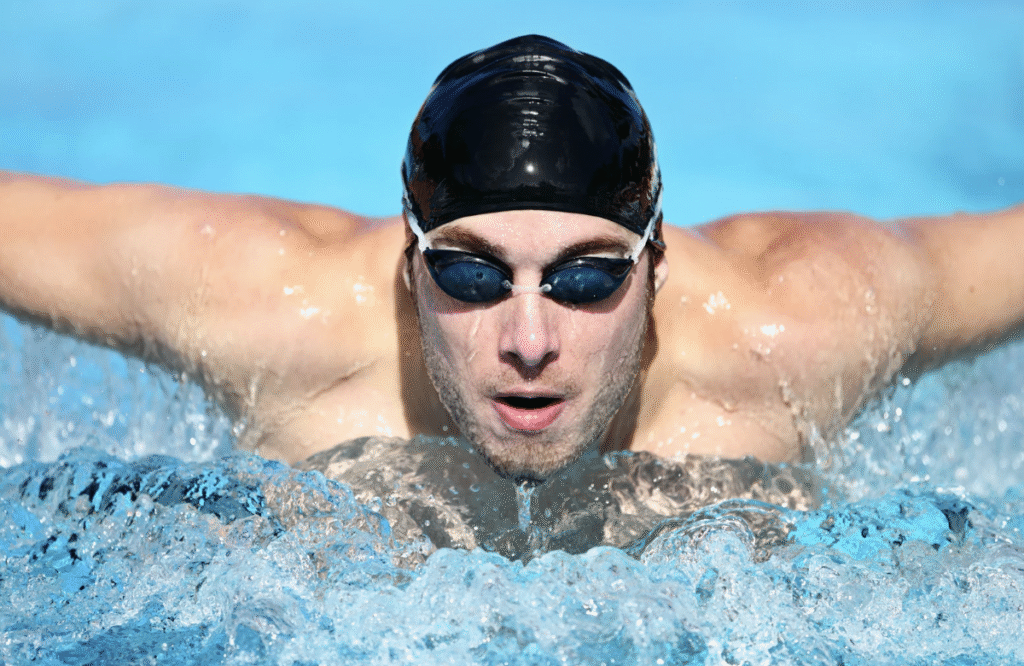
Back to Basics: Perfecting Your Swim Technique

2. Freestyle Form Tips
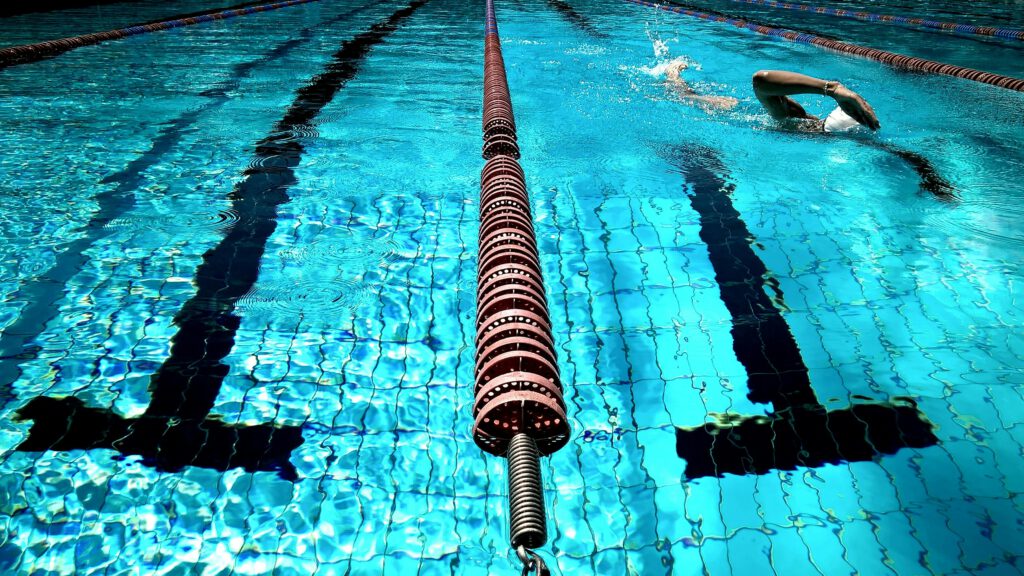
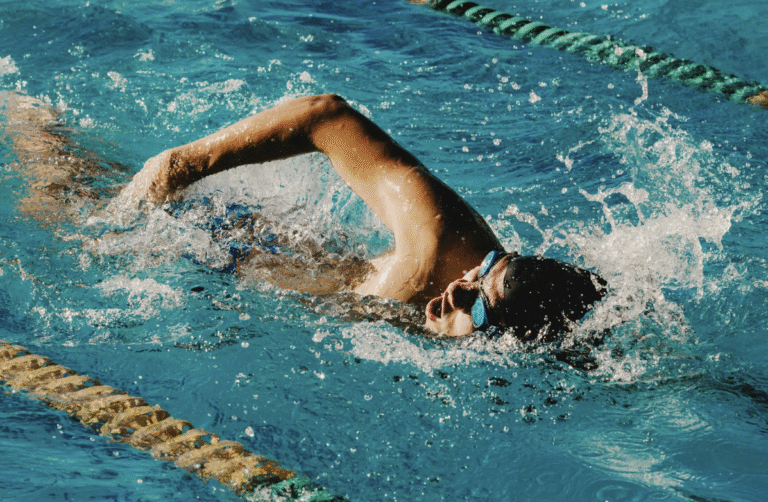
Freestyle, also known as the front crawl, is a staple stroke in both recreational and competitive swimming. Key form tips include:
- Streamlined Position: Keep your head neutral and body flat. Eyes should look straight down to align the spine and lift the hips.
- Efficient Pull: Engage your core and keep your elbows high underwater. Focus on an “early vertical forearm” to catch water more effectively.
- Controlled Kick: Use a flutter kick initiated from the hips, not the knees, for better propulsion with less fatigue.
- Breathing Rhythm: Inhale quickly to the side as one arm recovers; exhale slowly underwater. Bilateral breathing ensures muscular balance.
Watch a step-by-step guide to proper freestyle here:
 How To Achieve The Perfect Freestyle Stroke | YouTube
3. Breaking Down Proper Backstroke
Backstroke presents a unique challenge: you remain on your back the entire time. But it also strengthens posture, coordination, and spatial awareness. Follow these cues:
- Body Position: Keep your ears in the water and your chin up, with your hips close to the surface.
- Arm Movement: Alternate arms in a windmill motion. Pinky should enter the water first.
- Kicking: A gentle, consistent flutter kick stabilizes your core and legs.
- Breathing: Since your face stays above water, find a natural breathing rhythm—but don’t over-rotate the head or chest.
Check out more technique tips from Swim England:
 Improving Your Backstroke Technique
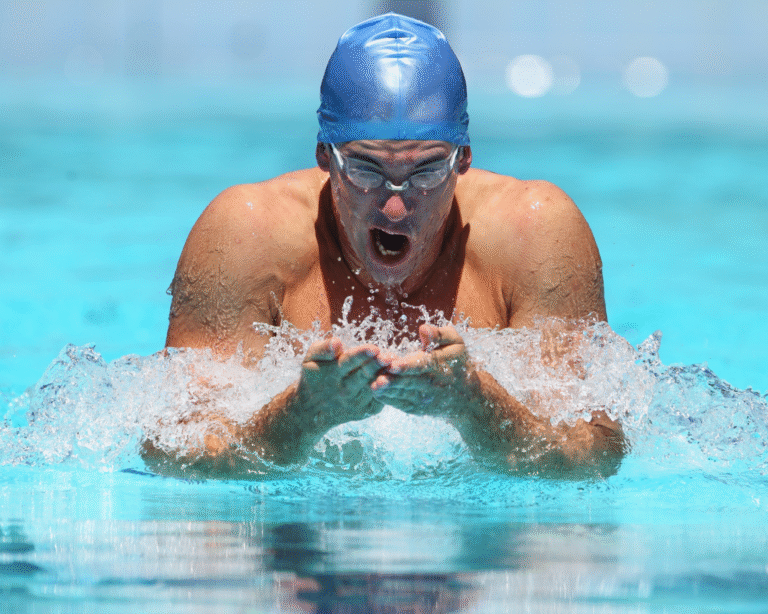
4. Common Breaststroke Mistakes (and Fixes)
Breaststroke is deceptively technical. Done incorrectly, it becomes slow and inefficient. Here’s how to avoid common pitfalls:
- Mistake 1: Poor Timing – Many swimmers kick too soon or too late. Practice “pull, breathe, kick, glide” in that order.
- Mistake 2: Wide Kicks – Keep the legs streamlined and perform a narrow whip kick to reduce drag.
- Mistake 3: Dropped Elbows – Your elbows should stay high during the pull phase for a stronger catch.
- Mistake 4: Over-undulation – Avoid bobbing too much. Focus on gliding forward, not bouncing vertically.
More on correcting breaststroke errors:
 MySwimPro: Common Breaststroke Mistakes
5. Flip Turns: How to Master Them
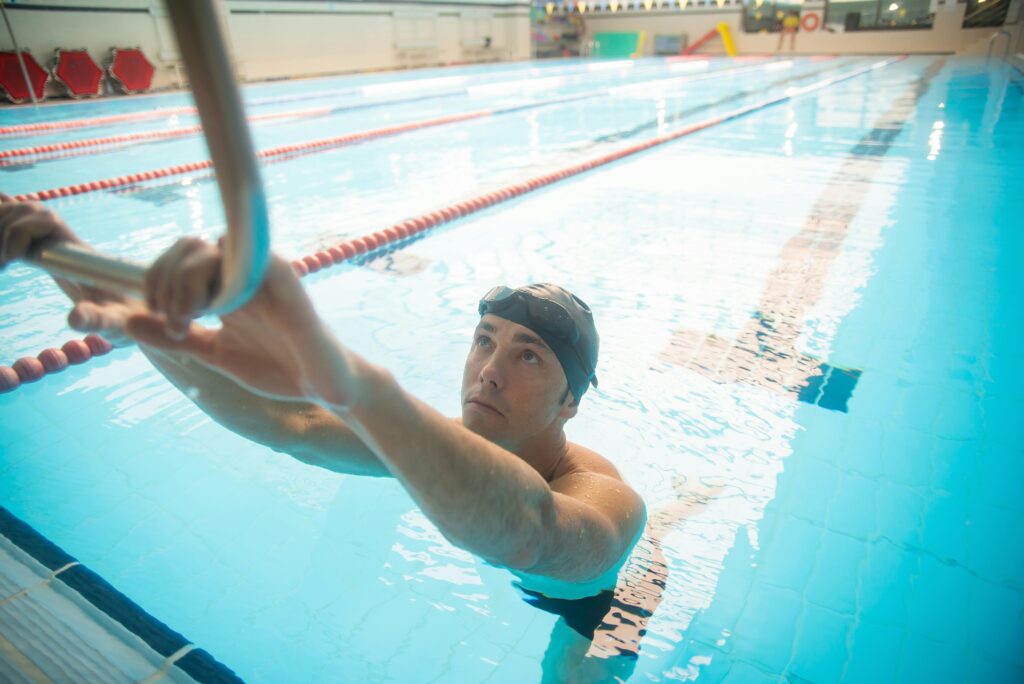
Want to swim faster laps? Learn the flip turn. This rapid rotation at the wall saves time and energy during lap swimming. Here’s how:
- Approach with speed, extending your final stroke toward the wall.
- Tuck and rotate by performing a somersault underwater.
- Plant Your Feet on the wall and push off in a tight streamline.
- Break Out Smoothly into your stroke with controlled breathing.
A visual guide from Olympian Caeleb Dressel can help you nail it:
 Perfect Flip Turns | YouTube
6. Injury Prevention While Training
Technique isn’t just about performance—it’s also about safety. Avoid injury with these steps:
- Warm Up & Cool Down: Dynamic stretches before and static stretches after every swim.
- Strength Training: Focus on rotator cuff, scapular, and core exercises to support stroke movement.
- Gradual Increases: Don’t ramp up yardage or intensity too quickly.
- Form Over Force: Always prioritize clean technique over pushing harder.
Learn more from the American Academy of Orthopedic Surgeons:
 Swimming Injury Prevention – OrthoInfo
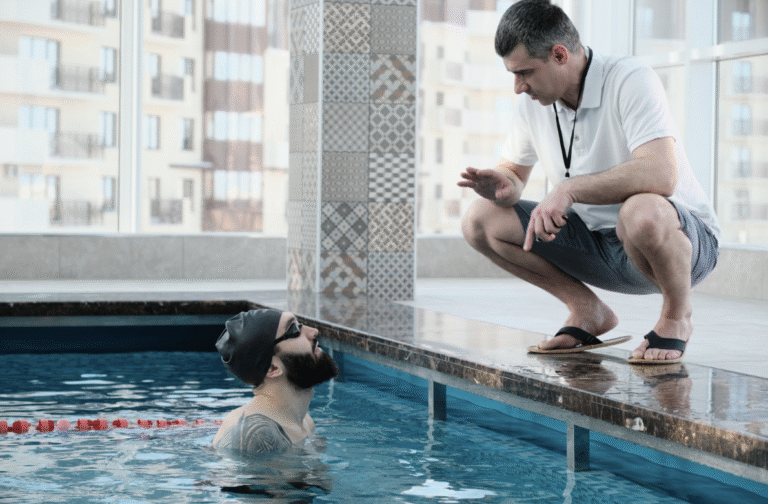
9. Understanding Stroke Efficiency: Less Effort, More Distance
One of the most important (and often overlooked) elements of strong swim technique is efficiency—how far you travel with each stroke. In swimming, this concept is referred to as “Distance Per Stroke” (DPS). The higher your DPS, the fewer strokes you need to cover a length, which reduces energy expenditure and increases speed.
How to Improve Your Stroke Efficiency:
- Streamlining: Every turn and push-off should be in a tight, streamlined position to reduce drag.
- Body Rotation: In freestyle and backstroke, rotating the torso allows for deeper pulls and longer strokes.
- Timing: Instead of rushing, focus on a smooth, continuous rhythm that allows your body to glide.
- Drills: Incorporate sculling and single-arm drills to refine hand placement and propulsion.
 According to SwimSwam, elite swimmers focus on maximizing stroke length and reducing stroke count to achieve race efficiency (SwimSwam Article).
10. Essential Swim Gear for Technique Training
Using the right equipment during practice can accelerate technique development and correct bad habits. Here’s a breakdown of essential tools and their benefits:
 Must-Have Technique Gear:
- Kickboard: Isolates the legs to build a powerful, efficient kick and enhance body position awareness.
- Pull Buoy: Placed between the thighs to isolate the arms, this helps focus on upper-body stroke mechanics.
- Paddles: Increase resistance and help swimmers feel the “catch” phase of the stroke—ideal for building power.
- Fins: Improve ankle flexibility and speed while reinforcing proper kick timing.
- Snorkel: Allows swimmers to breathe without turning the head, helping them focus on body alignment and hand placement.
 Pro Tip: Choose gear based on your individual needs and training goals. Overuse of resistance tools like paddles without proper form can lead to injury, so integrate them carefully.
Final Thoughts
Swimming well starts with swimming smart. By focusing on form, building awareness, and drilling with intention, swimmers of all levels can unlock new levels of comfort and performance. Whether you’re looking to swim your first lap or shave seconds off your race time, going back to basics is the smartest step forward.
Have you recently improved your swim technique or conquered a swim goal? Share your story with us! Use #MyWaterConfidence and tag @PelleaPellea on Instagram—you might be featured in our next blog or story.
 Join our community for free today.
Together, let’s move with confidence, one stroke at a time.