
The Science of Swimming: Falling in Love with the Water

Swimming isn’t just a workout—it’s an act of self-care that blends science-backed cardiovascular benefits, full-body strength, and mental fortitude. This February, as we celebrate Valentine’s Day and Heart Health Month, there’s no better time to discover (or rediscover) this skill. At Pellea Fitness, we support adults of all levels—whether you’re new to the water, returning after a break, building midlife fitness, or progressing toward greater endurance and technique—gaining confidence one relaxed stroke at a time. Our approach emphasizes comfort, smart progression, and lasting joy in the water, no matter your starting point.
1. Why Swimming Is a Heart-Healthy Valentine to Yourself
February is Heart Health Month, and swimming stands out as one of the most joint-friendly, heart-supportive exercises. It elevates your heart rate gently while the water’s buoyancy reduces stress on joints, making it ideal for adults at any stage of fitness. Studies show regular swimming strengthens the heart muscle, improves circulation, lowers blood pressure, and reduces risks of heart disease and stroke. It’s truly a loving gift to your cardiovascular system: calm, controlled, and profoundly effective as you build from short, easy swims to longer, more challenging ones.
2. Breathing: The Foundation of Calm and Confidence
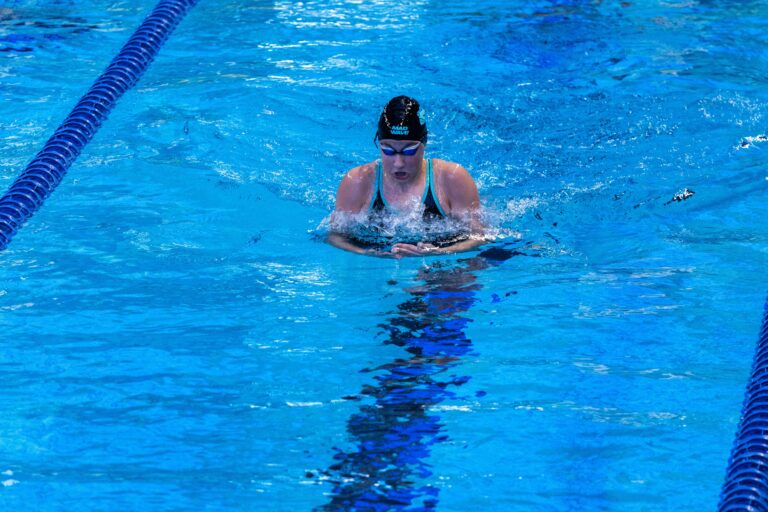
Breathing is key for everyone in the water—reducing anxiety, building trust, and boosting efficiency. Exhale and inhale slowly and during recovery phases for a relaxed, rhythmic cycle.
- Start with face-in-water drills: Submerge gently, exhale fully, then lift for a breath.
- Practice bilateral breathing (every 3 strokes) to promote symmetry and reduce tension.
- Focus on calm consistency—think steady rhythm over speed.
- This February, prioritize feeling in control with every breath, and as you progress, experiment with longer underwater exhales for smoother endurance.
3. Building Gentle Endurance (Without Burning Out)
Endurance develops through enjoyable, progressive sessions—consistency trumps intensity for sustainable gains. Aim for 2–3 sessions per week, starting short and gradually increasing volume and challenge. Beginner-friendly routines include:
- Warm-up: 4×50 meters (or yards) easy swim/float with 30–60 seconds rest to reset breathing.
- Main set: 2–3 rounds of 5-minute continuous easy swimming (mix freestyle with floats or backstroke breaks).
- Cool-down: Alternating 25m swim + 25m float/kick intervals.
- Steady-state build: 4x50m easy freestyle with 20–30 seconds rest between each, focusing on consistent breathing and relaxed pace.
- Pyramid progression: 25m + 50m + 75m + 50m + 25m easy with 20–30 seconds rest after each segment—great for gradually increasing time in the water while keeping effort low.
- Progression example: Week 1–2: Total 400–600m; Week 3–4: Build to 800–1000m with shorter rests; later stages: Introduce 4x100m or longer continuous swims as comfort grows. Over time, your stamina and confidence increase naturally—track progress by noting how much farther or smoother you swim each session.
4. Technique First: Move Better, Not Harder
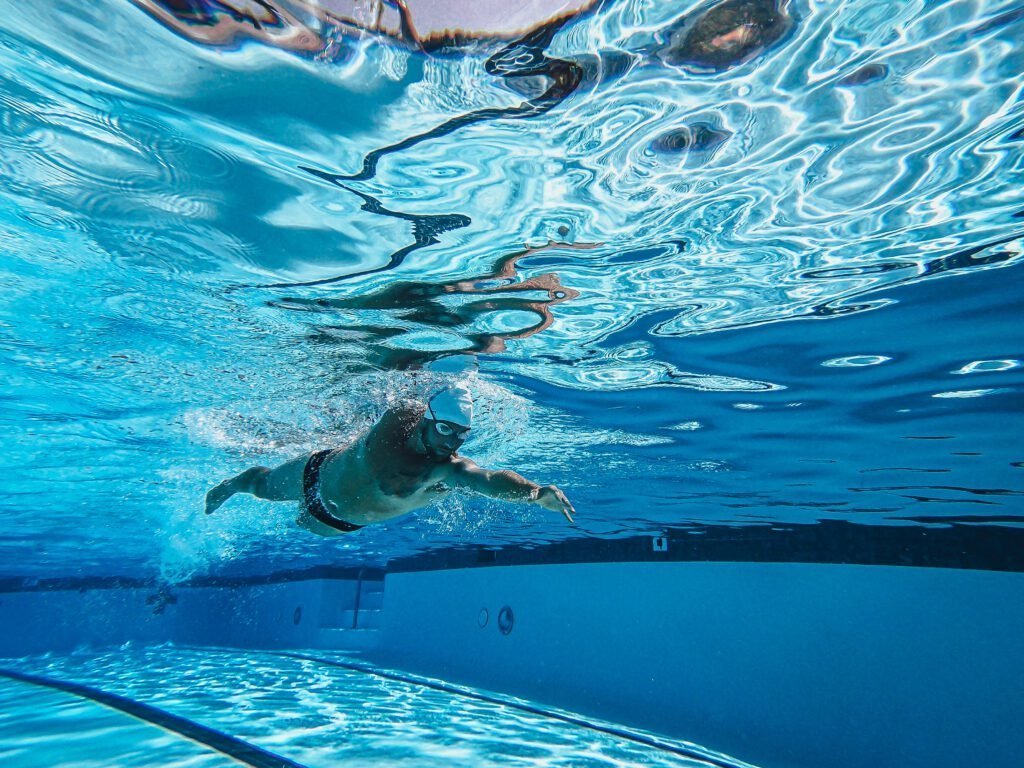
Efficiency trumps raw power; good form reduces drag and fatigue at every level. Common issues include high head lift, stiff kicks, rushed strokes, or crossed-over arms. Slow down and focus on one cue per session:
- Relaxed head position (look down, not forward).
- High elbows in the pull phase for better propulsion.
- Smooth arm recovery above water.
- Quiet, hip-driven kick with loose ankles (avoid big splashes). Use tools like kickboards for short sets to isolate and refine. Video self-analysis or coach feedback accelerates improvements—start simple, then layer in refinements as your base strengthens.
5. Dryland Support for Everyday Strength
Support your swimming with simple, low-impact dryland exercises that build joint stability, core strength, and balance—essential as we age and progress. No heavy gym needed:
- Wall push-ups (for shoulder stability and upper body).
- Standing core rotations or Russian twists (for mobility and rotation power).
- Chair squats or lunges (for leg strength, balance, and better kicks).
- Planks (20–30 seconds) for core engagement that translates to better body position in water.
- Superman holds: Lie face-down, lift arms and legs slightly off the ground for 10–20 seconds (repeat 3–5 times) to strengthen the posterior chain and improve posture/streamline in the water.
- Flutter kicks on back: Lie on your back with arms extended overhead (streamline position), perform small, controlled leg flutters for 20–30 seconds to build core stability and mimic efficient kicking without strain. These protect against injury, enhance performance, and make daily activities easier as your swimming advances.
6. Kicking with Ease, Not Exhaustion + Pool Familiarity
Many over-kick early on, leading to fatigue—focus on gentle, small kicks from the hips for balance and alignment:
- Loose ankles, legs close together, minimal splash.
- Short kickboard sets (4x25m) to practice without full-body strain. February’s cold weather makes the warm pool inviting—spend time floating, gliding, and moving tension-free. Comfort builds the foundation for progression; there’s no rush—personal growth always comes before comparison.
7. Fueling and Mindset: Self-Love in Action
View nutrition and mindset as extensions of self-care:
- Pre-swim: Light carb snack 1–2 hours before (e.g., banana or toast).
- During: Stay hydrated (sip water poolside).
- Post-swim: Balanced meal with protein and carbs for recovery. Mindset shift: Replace fear or perfectionism with patience. Use visualization (picture calm floats or smooth laps) and mindfulness (focus on breath). Every session counts—progress isn’t linear, but steady improvements add up over time.
8. Gear and Tools for Beginner Success
The right equipment can accelerate progress and make sessions more enjoyable, helping you focus on technique and comfort. Recommended tools include:
- Goggles that fit comfortably to prevent leaks and allow clear vision.
- Kickboard for isolated kick practice and building leg endurance without full stroke fatigue.
- Pull buoy to support hips/legs while focusing on arm technique and upper-body pull.
- Snorkel (center-mount) to practice breathing rhythm and stroke mechanics without turning the head. These aids reduce anxiety, improve form, and support faster gains—many see quicker advancements when using them under coach guidance.
9. Recovery and Listening to Your Body
Recovery is crucial for long-term progress, especially as you increase volume or intensity. Swimming is low-impact, but smart rest prevents fatigue or strain. Prioritize:
- Gentle cool-down swims or floats at the end of every session to lower heart rate gradually.
- Stretching post-swim (focus on shoulders, hips, and back) to maintain flexibility.
- Rest days between sessions—listen for signs like persistent soreness or low energy.
- Sleep and light activity (walking) on off days to aid muscle repair and cardiovascular adaptation. Science shows consistent recovery supports adherence, heart health gains, and steady progression without burnout.
10. Adult Swim Progression Pathway at Pellea Fitness
We welcome adults at any stage with personalized, supportive coaching that meets you where you are and guides steady advancement:
- Foundation: Build comfort, breathing, floating, and trust in the water—ideal starting point for newcomers.
- Developing: Master basic strokes, balance, relaxed endurance, and simple progressive routines—bridge to greater confidence.
- Advancing: Achieve smooth movement, longer continuous swims, technique refinement, added intensity (e.g., intervals or mixed strokes), and personalized goals—whether for fitness, triathlons, or lifelong enjoyment. Our coaches tailor feedback to your pace—whether overcoming water fears, refining form, or building toward consistent, challenging sessions.
Conclusion
This February, make swimming your Valentine—a science-supported gift to your heart, body, mind, and peace. You don’t need to be fast, fearless, or ultra-fit to start; just begin with comfort-focused routines and embrace gradual, rewarding progression. With expert guidance at Pellea Fitness, swimming becomes a lifelong source of health, confidence, and joy—no matter your level.
Ready to fall in love with the water? Join our community for free today!