The Science of Swimming: How to Build Strength, Endurance, and Technique

Swimming isn’t just a skill—it’s a full-body workout that blends cardiovascular endurance, muscular strength, coordination, and mental focus. At Pellea Fitness, we believe that adult swimmers of all levels can benefit from understanding the science behind their strokes. Whether you’re a beginner or training for triathlons, this guide will help you become a smarter, stronger, and more confident swimmer.
1. Why Swimming Is the Ultimate Full-Body Workout
Swimming engages nearly every major muscle group while remaining low-impact on your joints. According to Harvard Health Publishing, swimming improves cardiovascular health, burns calories efficiently, and tones muscles without the stress of weight-bearing exercise. It’s one of the few workouts where your upper body, core, and legs work in sync with your breath control and timing.
2. The Role of Breathing in Performance
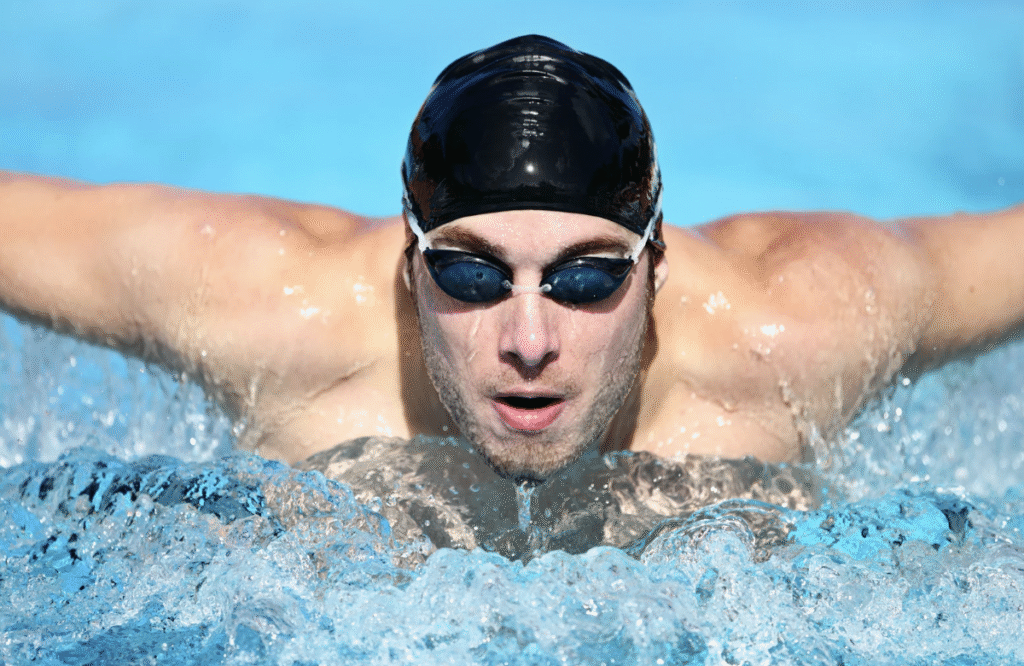
Proper breathing is one of the most overlooked yet essential parts of swimming. Unlike running or cycling, you can’t breathe whenever you want in the water. Learning how to exhale fully underwater and inhale quickly during the recovery phase can reduce fatigue and improve efficiency. Research from Swim England emphasizes the importance of bilateral breathing and maintaining a relaxed, rhythmic breath cycle to improve stroke symmetry and reduce panic in open water.
3. Building Swim-Specific Endurance
Endurance is what allows swimmers to maintain technique over long distances. Start with interval-based workouts such as:
- 4×100 meters with 20 seconds rest
- Progressive sets (e.g., 200m, 300m, 400m) with decreasing rest
- Pull and kick sets to isolate muscle groups
Over time, increase total yardage and reduce rest intervals. Tools like SwimSwam’s workout generator can help structure your sessions.
4. The Power of Technique Over Speed
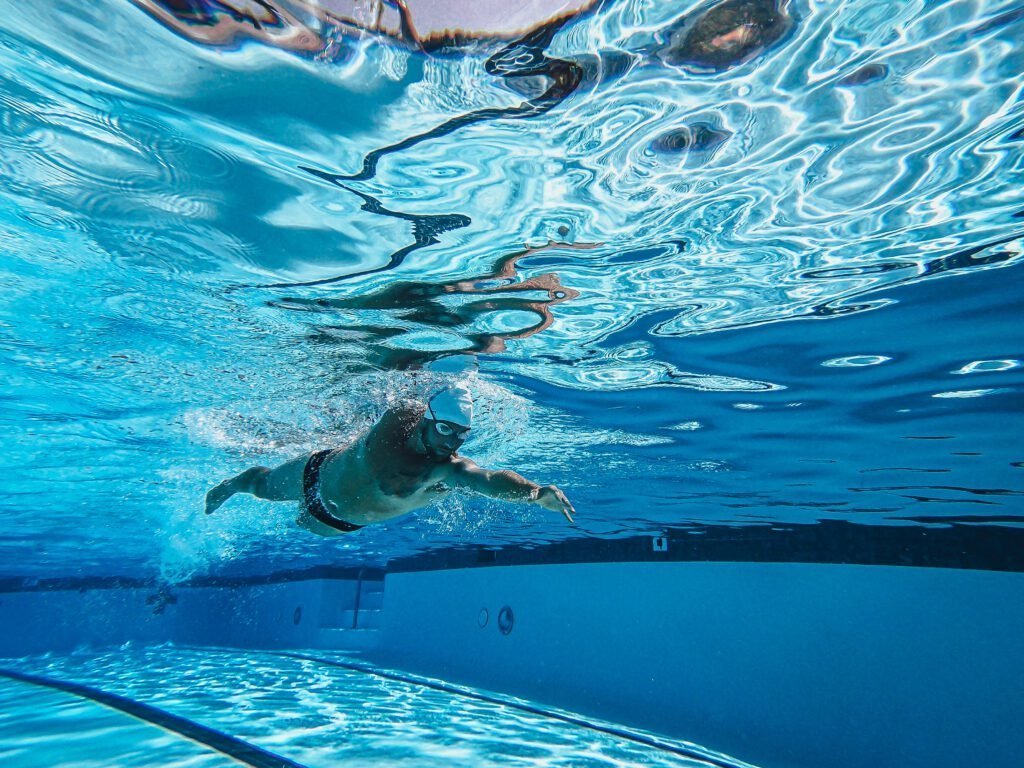
Speed comes from efficiency, not muscle alone. The most common technique errors include:
- Crossing over in freestyle
- Poor head position
- Dropped elbows
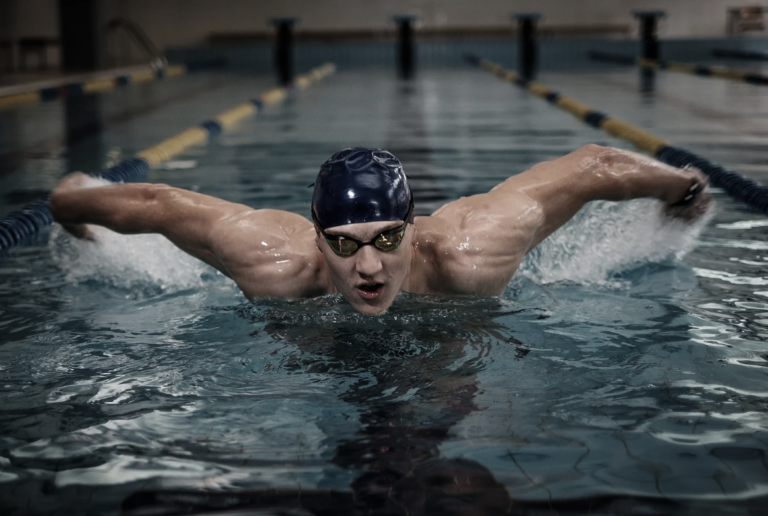
By using video analysis or working with a coach, swimmers can identify inefficiencies. As USA Swimming notes, good form reduces drag and prevents injury. Consider focusing on one technical cue per session—like “high elbows” or “quiet kick”—to build muscle memory.
5. Dryland Training for Stronger Swimming
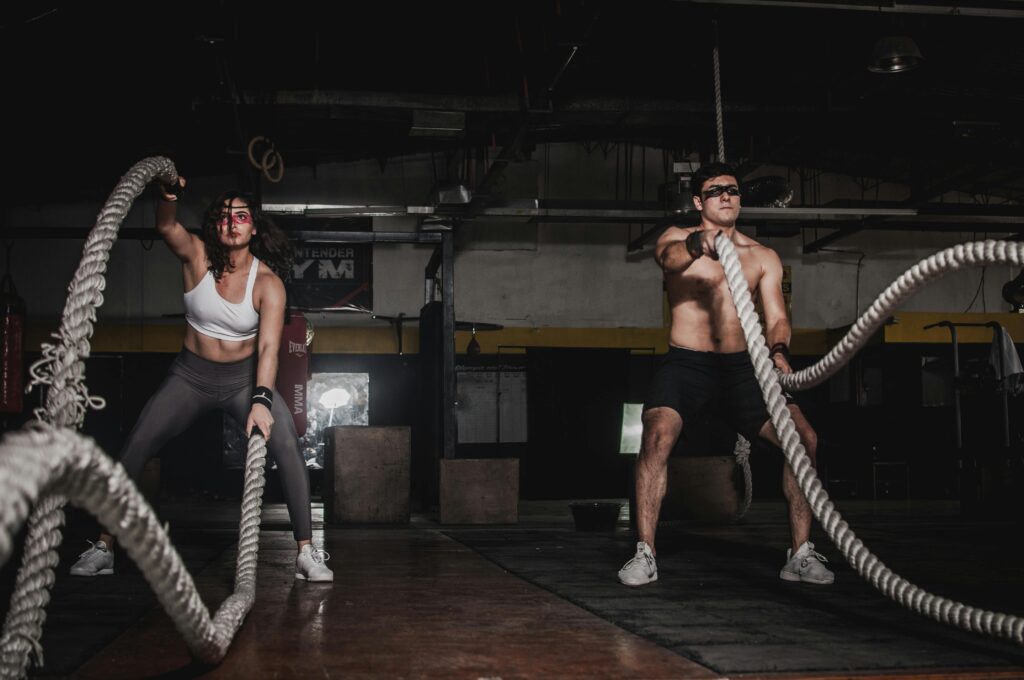
You don’t need to be in the water every day to improve your swimming. Dryland workouts that focus on mobility, stability, and strength are essential. At Pellea Fitness, we recommend exercises like:
- Planks and Russian twists for core stability
- Resistance band rows for shoulder strength
- Squats and lunges for explosive kicks
A study in the Journal of Strength and Conditioning Research showed that dryland programs improve swim performance and reduce overuse injuries.
6. Open-Water Adaptation: Training Outside the Pool
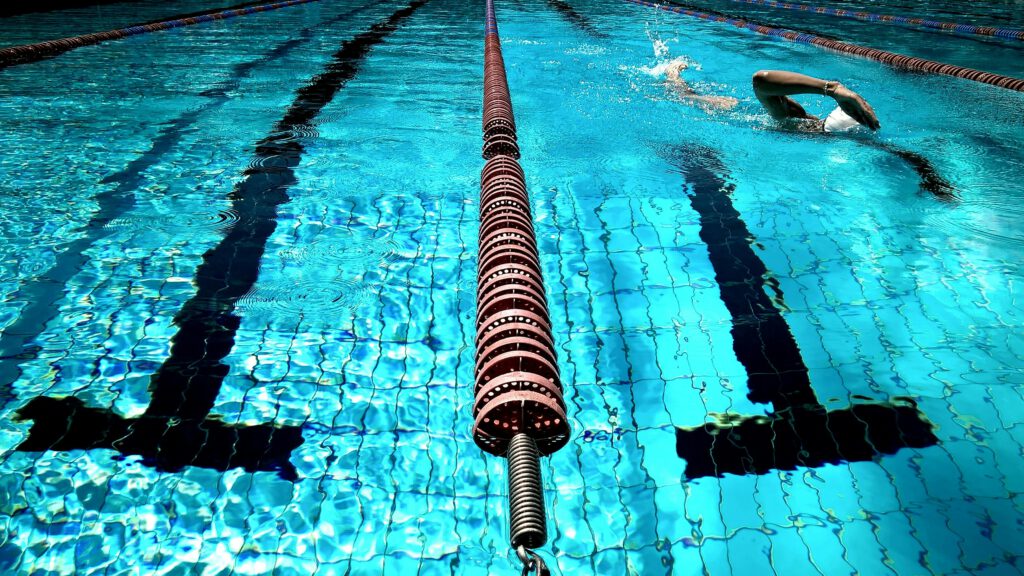
Transitioning from the pool to open water presents unique challenges: no lane lines, changing temperatures, and limited visibility. To prepare:
- Practice sighting (lifting your head briefly to look forward)
- Swim in a wetsuit to simulate race conditions
- Join group swims for safety and pacing
The U.S. Masters Swimming guide outlines key strategies for adapting to open-water conditions, including mental preparation and stroke adjustments.
Hydrate, Stretch, and Recover Like a Pro
Recovery is where real progress happens. Swimmers often overlook the importance of hydration, mobility, and rest.
- Drink plenty of water post-swim—your body loses moisture in the pool without you realizing it. According to NHS guidelines, staying hydrated supports energy levels and muscle repair.
- Stretch for at least 5–10 minutes after every swim. Use this swim-specific stretching routine to reduce soreness and enhance flexibility.
- Get enough sleep. Elite swimmers average 8–10 hours per night to optimize recovery and performance.
Treat your body with care, and it will reward you in the pool.
7. The Importance of Kick Technique
Many adults underestimate the role of kicking. An efficient flutter kick can stabilize your stroke and help with propulsion—but excessive kicking burns energy fast. Focus on:
- Small, quick kicks from the hips (not the knees)
- Keeping legs close together to reduce drag
- Using a kickboard for drill sets to isolate technique
Learn more in this SwimOutlet kicking tutorial.
8. Nutrition and Hydration for Swimmers
What you eat before and after swimming significantly affects your performance and recovery. Key tips:
- Eat a light carb-rich meal 1-2 hours before your swim
- Drink water regularly—dehydration occurs even in the pool
- Post-swim meals should include protein and complex carbs
According to Precision Nutrition, maintaining energy balance is essential for long swim sets or multiple training sessions per week.
9. Mental Strategies: Visualization and Focus
Swimming requires sustained mental engagement. Visualization—picturing your stroke or race—can improve confidence and technique. Mindfulness exercises, such as box breathing or body scans before practice, help reduce performance anxiety. The American Psychological Association links mindfulness to improved focus and reduced stress, which can directly impact athletic output.
10. Adult Swim Progression at Pellea Fitness
At Pellea Fitness, we specialize in adult swim instruction, guiding swimmers through a clear and structured path:
- Beginner: Breath control, body positioning, and floating
- Intermediate: Stroke development, drills, and efficiency
- Advanced: Endurance, speed, and open-water transitions
Our coaches provide feedback tailored to your pace and comfort level. Whether you’re overcoming a fear of water or preparing for a triathlon, we’ll help you build a personalized fitness plan. Explore our full program at fitness.pellea.com.
Conclusion
Swimming is more than laps—it’s a lifelong skill that blends endurance, strength, and mindfulness. By understanding the science behind your swim, training smarter, and focusing on gradual improvements, you’ll develop confidence and competence in the water. Pellea Fitness is here to support you every stroke of the way.
Ready to start? Book your swim assessment or join a session today at https://fitness.pellea.com.