Swimming for Life: Building Confidence, Strength, and Lasting Fitness

Swimming isn’t just exercise—it’s a science-backed practice that supports cardiovascular health, full-body strength, mobility, and mental clarity. At Pellea Fitness, we support adults at every stage—whether you’re brand new to the water, returning after time away, building midlife fitness, or refining endurance and technique. Our philosophy centers on comfort, smart progression, and long-term enjoyment, helping you gain confidence one relaxed stroke at a time.
1. Swimming as a Foundation for Heart and Joint Health
Swimming is one of the most joint-friendly forms of cardiovascular exercise available. Water buoyancy reduces impact on joints while allowing the heart and lungs to work efficiently. Regular swimming strengthens the heart muscle, improves circulation, supports healthy blood pressure, and lowers the risk of cardiovascular disease. Because intensity is easy to scale, it’s suitable for beginners and experienced swimmers alike—whether you’re doing short, easy sessions or building toward longer continuous swims. Over time, the low-impact but high-benefit nature of swimming can transform your fitness without stressing your joints.
2. Breathing: The Cornerstone of Confidence and Efficiency
Breathing is central to feeling calm and in control in the water. A relaxed breathing pattern reduces anxiety, conserves energy, and improves stroke rhythm. Key practices include:
- Fully exhaling underwater before lifting or turning to breathe
- Using slow, controlled breaths during recovery phases
- Practicing bilateral breathing (every 3 strokes) to improve symmetry
Focus on consistency rather than speed—calm breathing builds trust in the water and supports endurance as sessions become longer. Mastering your breath sets the foundation for every other skill in swimming.
3. Building Endurance the Sustainable Way
Endurance grows through consistency and enjoyment, not exhaustion. Aim for 2–3 swims per week and gradually increase volume as comfort improves. Beginner-friendly structures include:
- Warm-up: 4×50 easy swim or float with generous rest
- Main set: 2–3 rounds of 5 minutes of continuous easy swimming, mixing strokes or floating breaks
- Steady progression: Short repeats (e.g., 4×50 or 6×25) with relaxed pacing
Track progress by how smooth or controlled you feel, not just distance. Sustainable gains come from steady exposure over time, allowing your body to adapt without burnout.
4. Technique First: Efficiency Over Effort
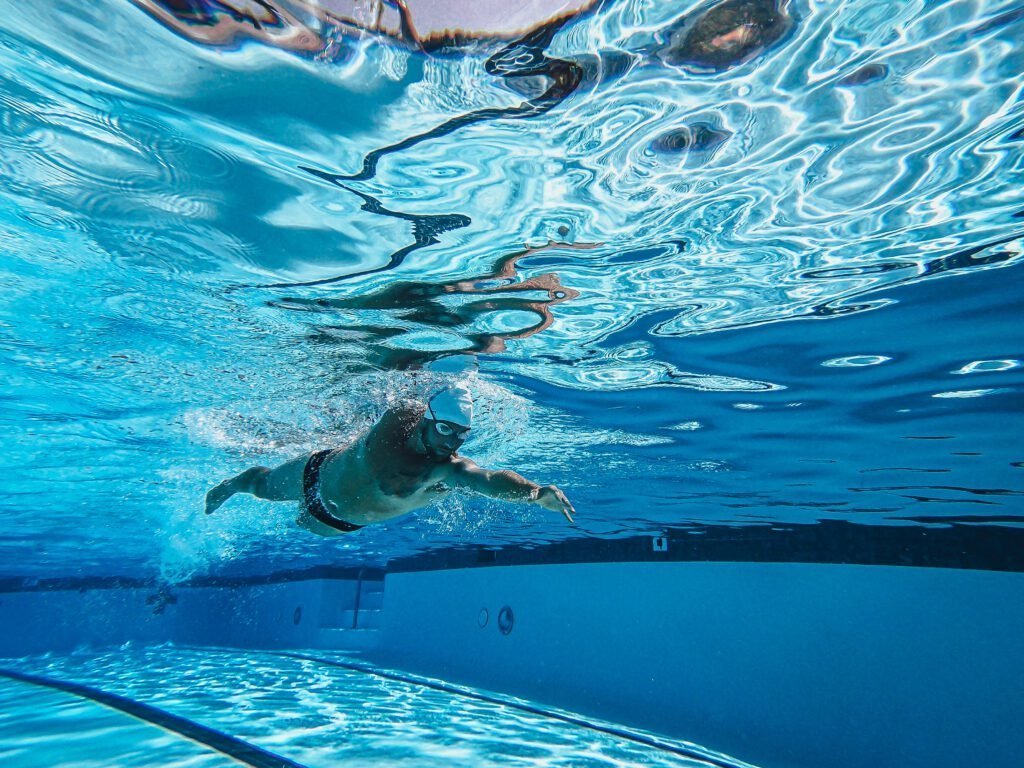
Good technique reduces drag and fatigue, making swimming feel easier at any level. Common issues include lifting the head too high, stiff kicking, rushed strokes, or crossing arms. Focus on one cue per session:
- Neutral head position (looking down, not forward) — 4×25m slow focus swims
- High elbow catch during the pull — 4×25m drill, pause mid-pull
- Smooth arm recovery — 3×50m relaxed freestyle
- Small, hip-driven kick with loose ankles — 4×25m kickboard
- Video feedback or coach guidance helps refine form and prevents ingrained habits as distance increases
5. Dryland Support for Stronger Swimming
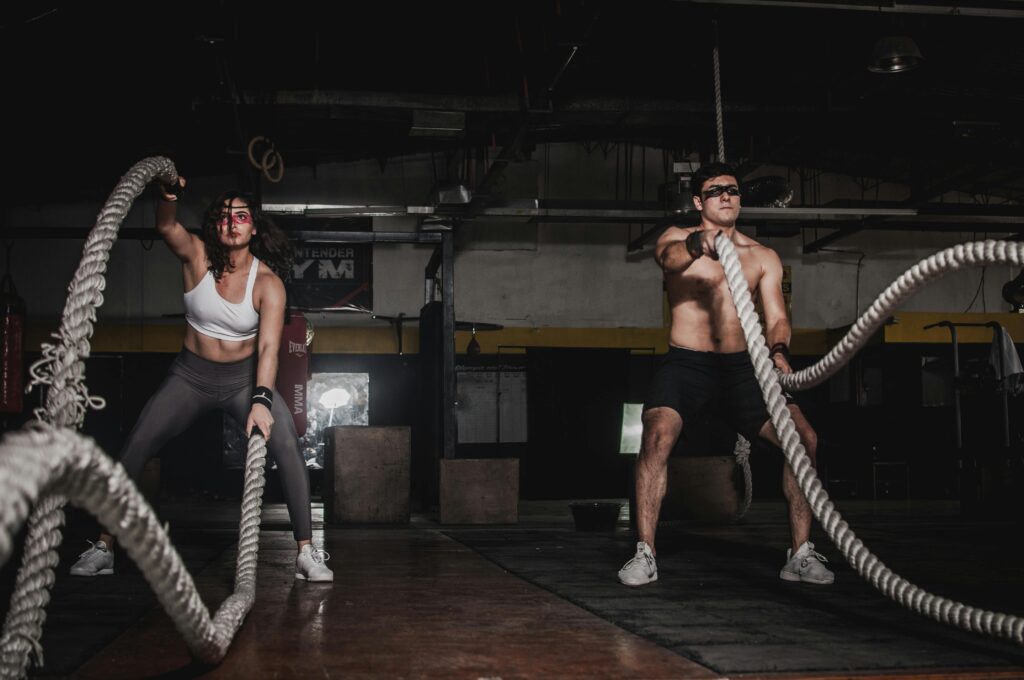
Simple dryland exercises improve posture, joint stability, and core strength—directly enhancing performance in the water. No gym required:
- Wall push-ups for shoulder stability
- Chair squats or lunges for leg strength and balance
- Planks (20–30 seconds) for body alignment
- Superman holds for posterior-chain strength
- Flutter kicks on your back (streamline position) for core and kick efficiency
These movements support swimming mechanics and everyday functional strength.
6. Kicking with Control, Not Fatigue
Many adults over-kick early, leading to unnecessary exhaustion. Effective kicking is compact and relaxed:
- Kick from the hips, not the knees — 4×25m short kickboard drills
- Keep legs close together with minimal splash
- Use short kickboard sets to practice technique without strain
- Focus on efficient kicks that maintain body position rather than generate speed
7. Fueling, Hydration, and Mindset
Swimming performance and recovery improve with simple self-care habits:
- Light carbohydrate snack 1–2 hours before swimming
- Hydration before and after sessions
- Balanced post-swim meal with protein and carbs
Mentally, replace perfectionism with patience. Focus on breath, rhythm, and small improvements. Confidence builds through repetition, not pressure.
8. Tools That Support Learning and Comfort
The right equipment can make swimming more accessible and enjoyable:
- Well-fitted goggles for clear vision
- Kickboard to isolate the kicking technique
- Pull buoy to support body position while refining arm mechanics
- Center-mounted snorkel to practice stroke mechanics without breathing interruption
Used intentionally, these tools reduce anxiety and accelerate skill development.
9. Recovery and Listening to Your Body
Swimming is low-impact, but recovery still matters. Support long-term progress by:
- Including easy cool-down swims or floats
- Stretching shoulders, hips, and back post-swim
- Allowing rest days between sessions
- Prioritizing sleep and light activity on non-swim days
Recovery ensures consistency, prevents burnout, and supports cardiovascular adaptation.
10. Adult Swim Progression at Pellea Fitness
Our coaching meets adults where they are and evolves with them:
- Foundation: Comfort, breathing, floating, and water trust
- Developing: Stroke basics, relaxed endurance, and structured sessions
- Advancing: Technique refinement, longer swims, interval work, and personalized goals
Whether your aim is fitness, confidence, or lifelong enjoyment, our approach emphasizes progress at your pace.
Closing
Swimming is a skill you build for life—supporting heart health, strength, mobility, and mental well-being at every stage. You don’t need to be fast or fearless to begin; you just need a comfort-first approach and consistent progression. With expert guidance at Pellea Fitness, swimming becomes a sustainable, rewarding practice you can carry forward for years.
Ready to start or refine your swim journey?