From Pool to Plate: Fueling Your Swim Performance

When it comes to swimming, performance isn’t just sculpted by laps and drills—it’s deeply influenced by what you put on your plate. Nutrition is a cornerstone of aquatic excellence, impacting everything from endurance to recovery. Whether you’re training for a triathlon or swimming for fitness, the right dietary choices can significantly enhance your strength, stamina, and speed in the water.
1. The Importance of Nutrition for Swimmers
Swimming is a full-body workout that burns energy fast. A balanced diet ensures optimal performance and recovery. Swimmers require a macronutrient-rich diet, consisting of carbohydrates for fuel, proteins for muscle repair, and fats for sustained energy.
According to USA Swimming, swimmers should consume a high-energy diet spread across multiple meals to match their training demands. Micronutrients—such as iron, calcium, and vitamin D—also play a critical role in supporting bone health and energy production.
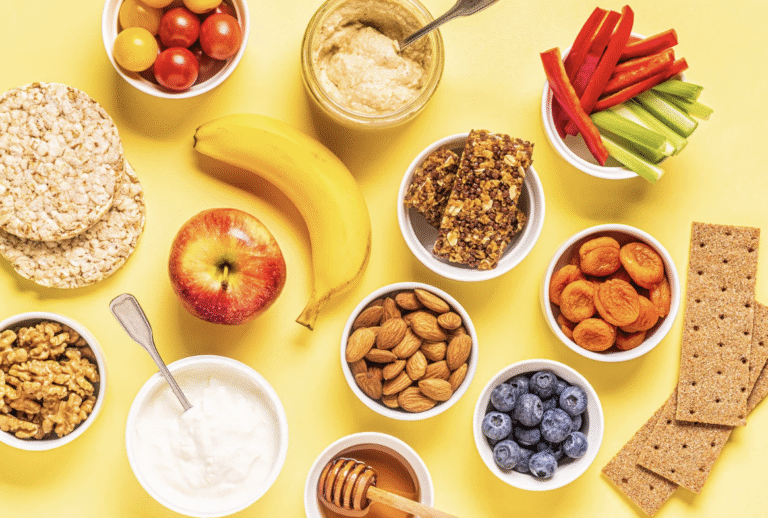
2. Healthy Snack Ideas for After Swimming
Post-swim snacks should help refuel glycogen stores and repair muscle tissue. The ideal recovery window is within 30 to 60 minutes after exercise.
Here are some dietitian-recommended snacks from the Cleveland Clinic:
- Greek yogurt with granola and berries
- A banana and peanut butter
- Chocolate milk (for its carb-protein ratio)
- Hummus with whole-grain pita
- Hard-boiled eggs with a piece of fruit
These options provide a balanced mix of protein, carbohydrates, and healthy fats to help jumpstart recovery.
3. Pre-Swim Meals for Energy
Your pre-swim meal should be rich in carbohydrates, low in fat, and moderate in protein to avoid gastrointestinal discomfort while providing enough energy.
As advised by Swim England, try meals like:
- Oatmeal with banana and honey
- A turkey sandwich on whole-grain bread
- Rice with grilled chicken and vegetables
- Whole-wheat pasta with tomato sauce
Eat larger meals 2–3 hours before swimming. For early morning swims, a smaller snack such as a granola bar or fruit 30–60 minutes before can suffice.
4. Hydration Tips for Swimmers
Even though swimmers are surrounded by water, they’re still at high risk for dehydration, especially during long training sessions or competitions. Dehydration can impair focus, reduce stamina, and increase cramping risk.
Sports Dietitians Australia notes that athletes should drink:
- 500 ml (17 oz) of water, about two hours before swimming
- Sips every 15-20 minutes during training
- An electrolyte-rich beverage if training exceeds an hour, or if in hot conditions
Monitoring urine colour (aiming for light yellow) is a quick way to assess hydration status.
5. A Swimmer’s Favourite Recipe: Protein-Packed Smoothie Bowl
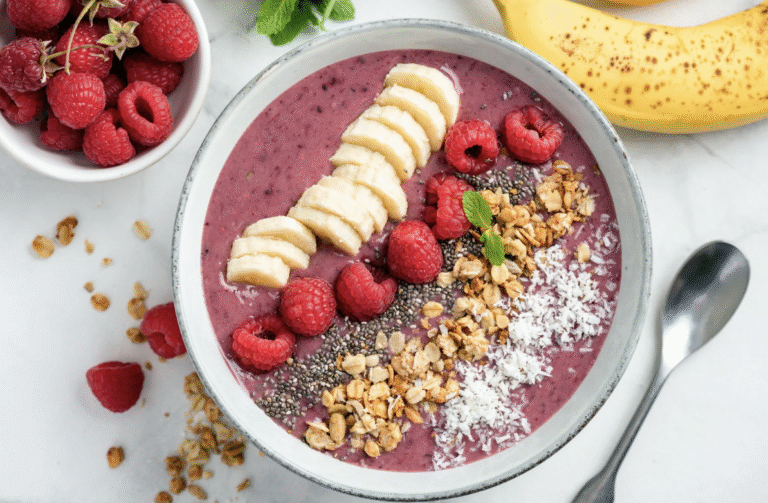
Smoothie bowls are a swimmer-favourite because they’re quick, customizable, and nutrient-dense.
🥣 Berry Banana Power Bowl
Ingredients:
- 1 banana
- 1/2 cup frozen berries
- 1/2 cup Greek yogurt
- 1 tbsp chia seeds
- 1 scoop whey protein
- 1/2 cup almond milk
Toppings: Granola, sliced banana, blueberries, and a drizzle of almond butter.
Blend the base ingredients and top with your favourites. This recipe provides a balanced blend of carbs, protein, and healthy fats—perfect for post-workout refuelling. See similar recipes at EatingWell.
6. Myth-Busting: Nutrition Misconceptions
There are plenty of nutrition myths in the swim world. Let’s debunk a few with science-backed facts:
- Myth 1: “Carbs are bad for athletes.”
Carbohydrates are the primary energy source for swimmers. Harvard T.H. Chan School of Public Health emphasizes the role of complex carbs in athletic performance. - Myth 2: “You shouldn’t eat before swimming.”
A light, carb-rich snack is essential before training to prevent fatigue. - Myth 3: “Protein shakes are only for bodybuilders.”
Swimmers benefit from protein intake to recover muscle tissue after long workouts. Learn more from Precision Nutrition.
7. Timing Your Meals for Optimal Results
Meal timing is as crucial as the food itself. Eating the right foods at the wrong time can lead to bloating or low energy. Here’s a general timeline:
- 3 hours before: Full meal with carbs, lean protein, and veggies
- 1 hour before: Small snack like toast with peanut butter
- During swim: Water or diluted sports drink for long sessions
- 30 minutes post-swim: Snack with a 3:1 carb-to-protein ratio
- 2 hours post-swim: Balanced meal for recovery
Learn more about nutrient timing from the Academy of Nutrition and Dietetics.
8. Understanding Macronutrient Needs
Swimmers need more than just calories—they need the right balance of macronutrients:
- Carbohydrates: 50–60% of total intake, from whole grains, fruits, and starchy vegetables
- Protein:2–2.0g/kg of body weight per day for recovery and muscle maintenance (source)
- Fats: Healthy fats from nuts, seeds, and oils provide long-term energy
Tracking your macronutrients using apps like MyFitnessPal can help swimmers tailor their intake based on training intensity.
9. Special Considerations for Adolescent and Female Swimmers
Young and female swimmers may have different nutritional needs. Adolescents require additional calcium and vitamin D for bone growth, while female athletes must watch for signs of Relative Energy Deficiency in Sport (RED-S).
According to The Female Athlete Conference, low energy intake can lead to hormonal disruption, fatigue, and bone injuries. Nutrient-dense foods, iron intake, and healthy fats are crucial for these groups.

10. Building a Sustainable Eating Plan
Ultimately, the goal is to create an eating routine that supports your swimming goals without being restrictive or stressful. Here are a few tips to make nutrition sustainable:
- Plan meals ahead of training sessions
- Listen to hunger cues and fuel intuitively
- Don’t skip meals, especially on training days
- Treat food as fuel, not a reward or punishment
- Keep quick options (trail mix, yogurt, bars) on hand
Check out the National Institutes of Health’s guide to healthy eating patterns to build your meal strategy.
Final Thoughts
Swimming is more than physical—it’s metabolic, mental, and strategic. Fuelling your body with the right nutrients at the right time can give you the edge you need to push further and recover faster. Whether you’re gliding through laps at dawn or training for a competition, proper nutrition is your silent swim coach.
Let your next performance begin—not just with a dive, but with a fork.
Join our community for free today!